Blue Rock Hydrogeology
Saraya, Senegal
Integrating geophysical mapping and low-cost monitoring to understabd groundwater systems around Saraya.
Background
Saraya, located in eastern Senegal near the borders with Mali and Guinea, lies within an area of intense gold exploration and mining activity. The region hosts both large-scale industrial operations and numerous artisanal mining sites, which have expanded rapidly in recent years. While the sector supports local livelihoods, it also places growing pressure on surface and groundwater resources through increased water abstraction, sedimentation, and contamination. The area's crystalline basement geology and limited perennial surface water make groundwater the primary source for drinking, domestic use, and small-scale processing. Understanding its distribution, quality, and vulnerability has become central to sustainable resource management.
Field activities
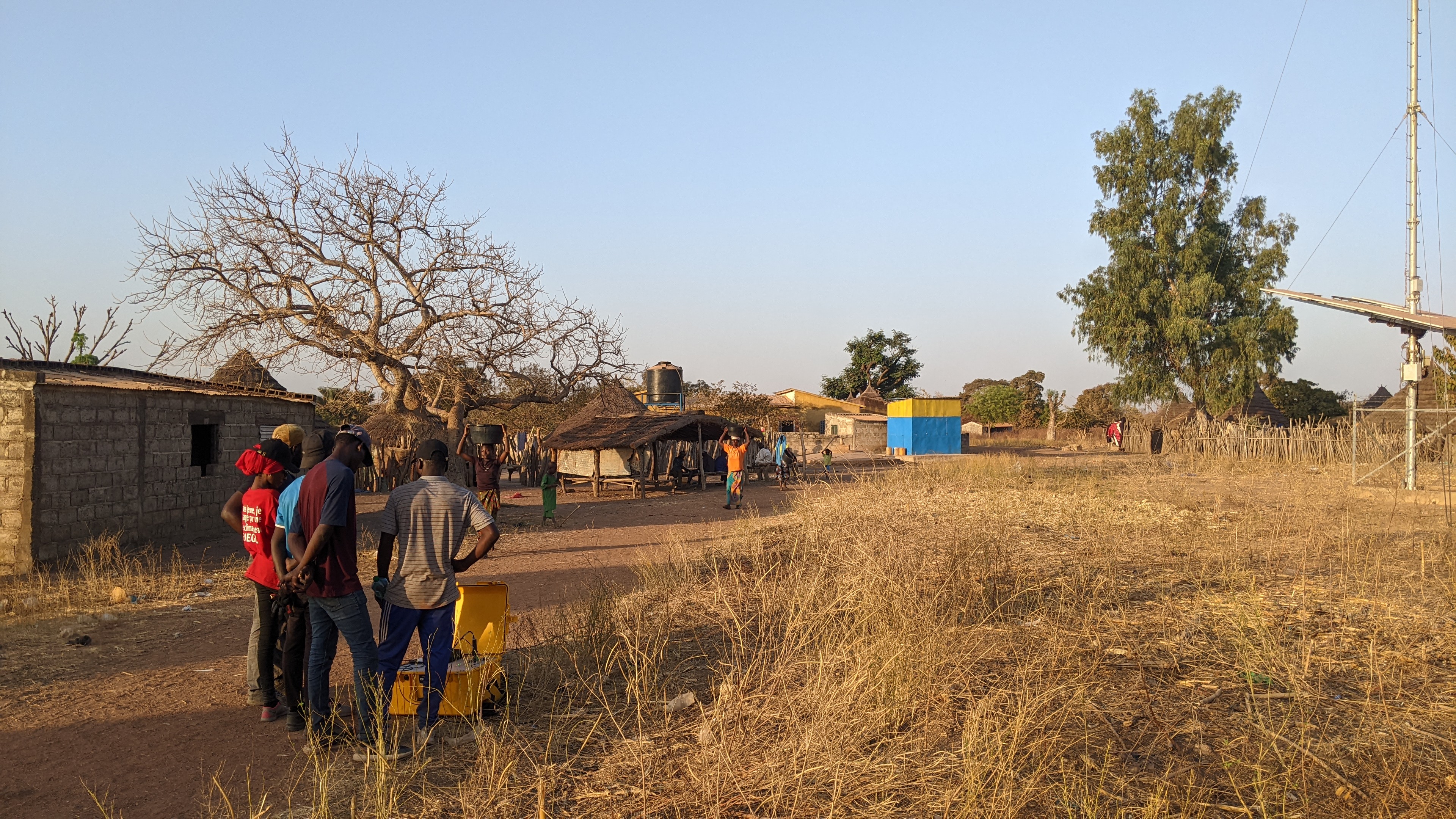
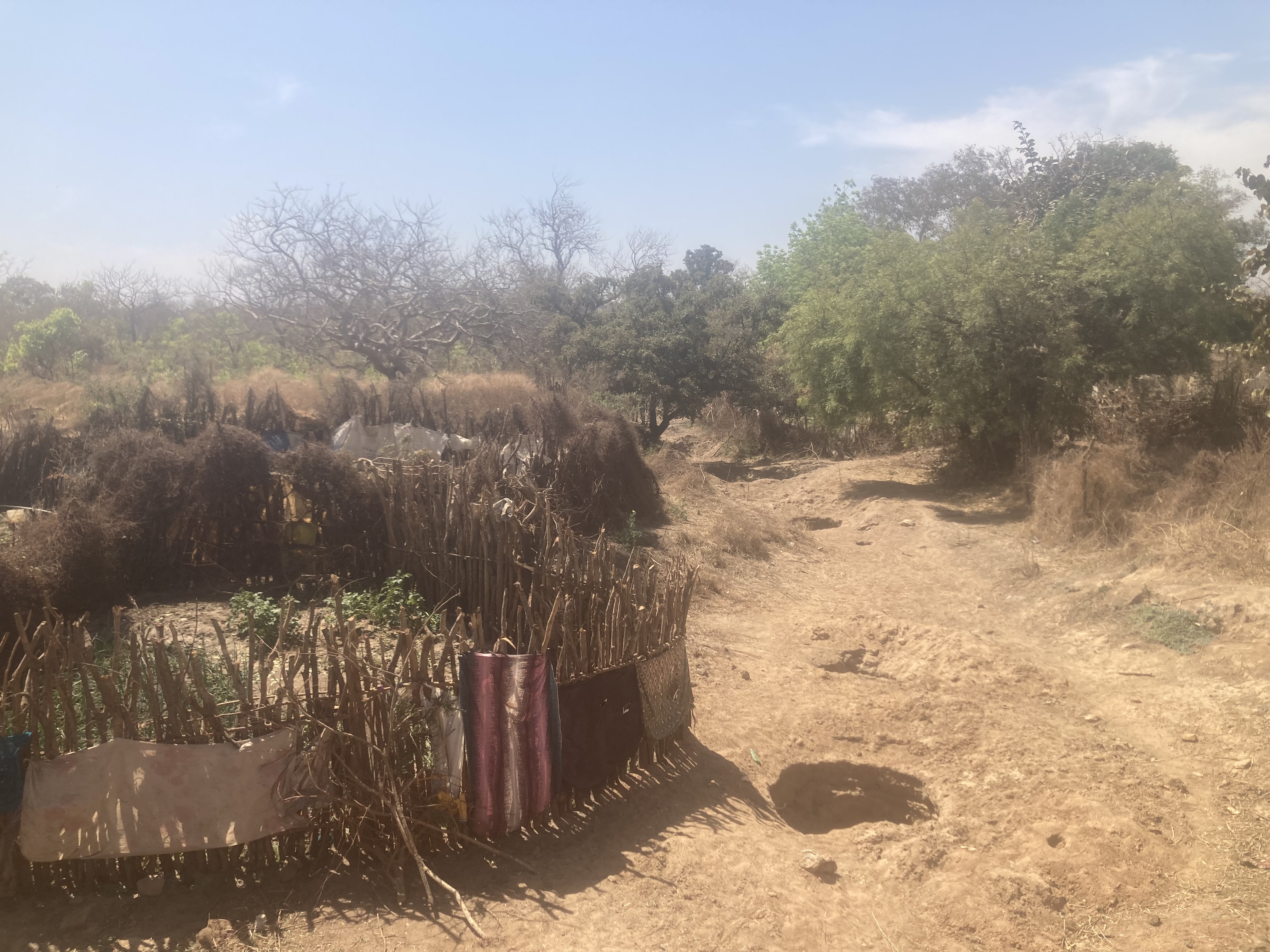
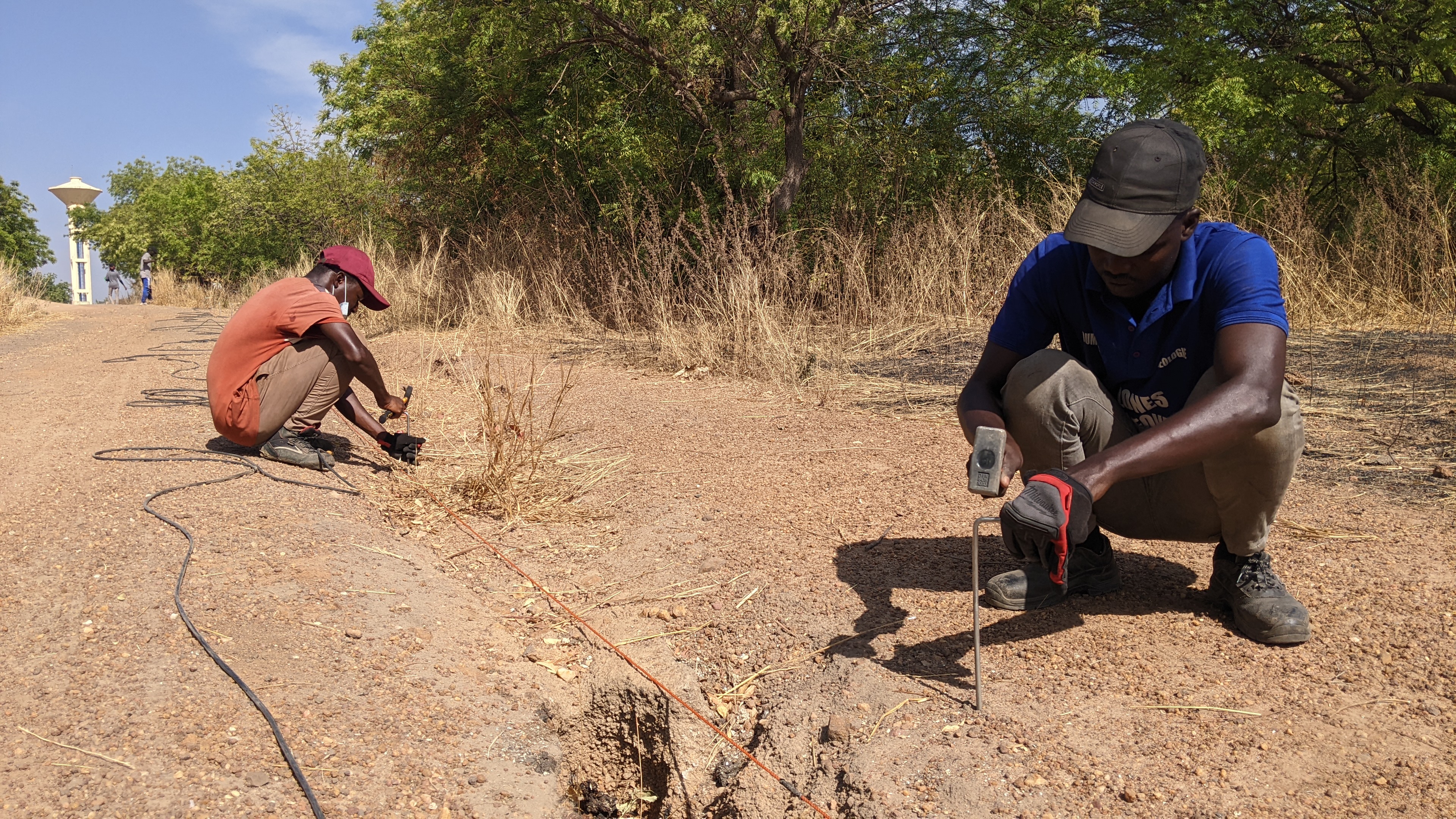
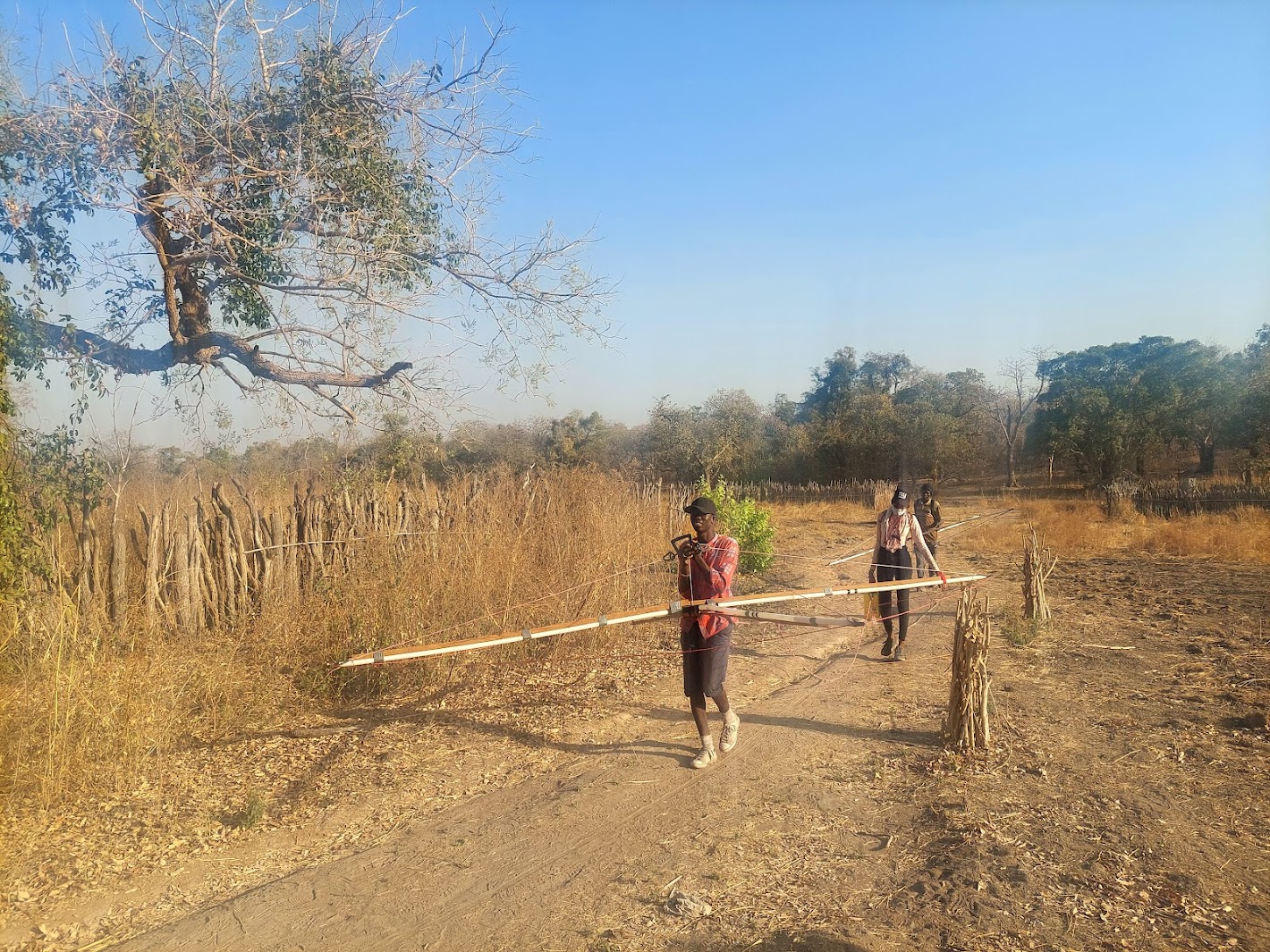
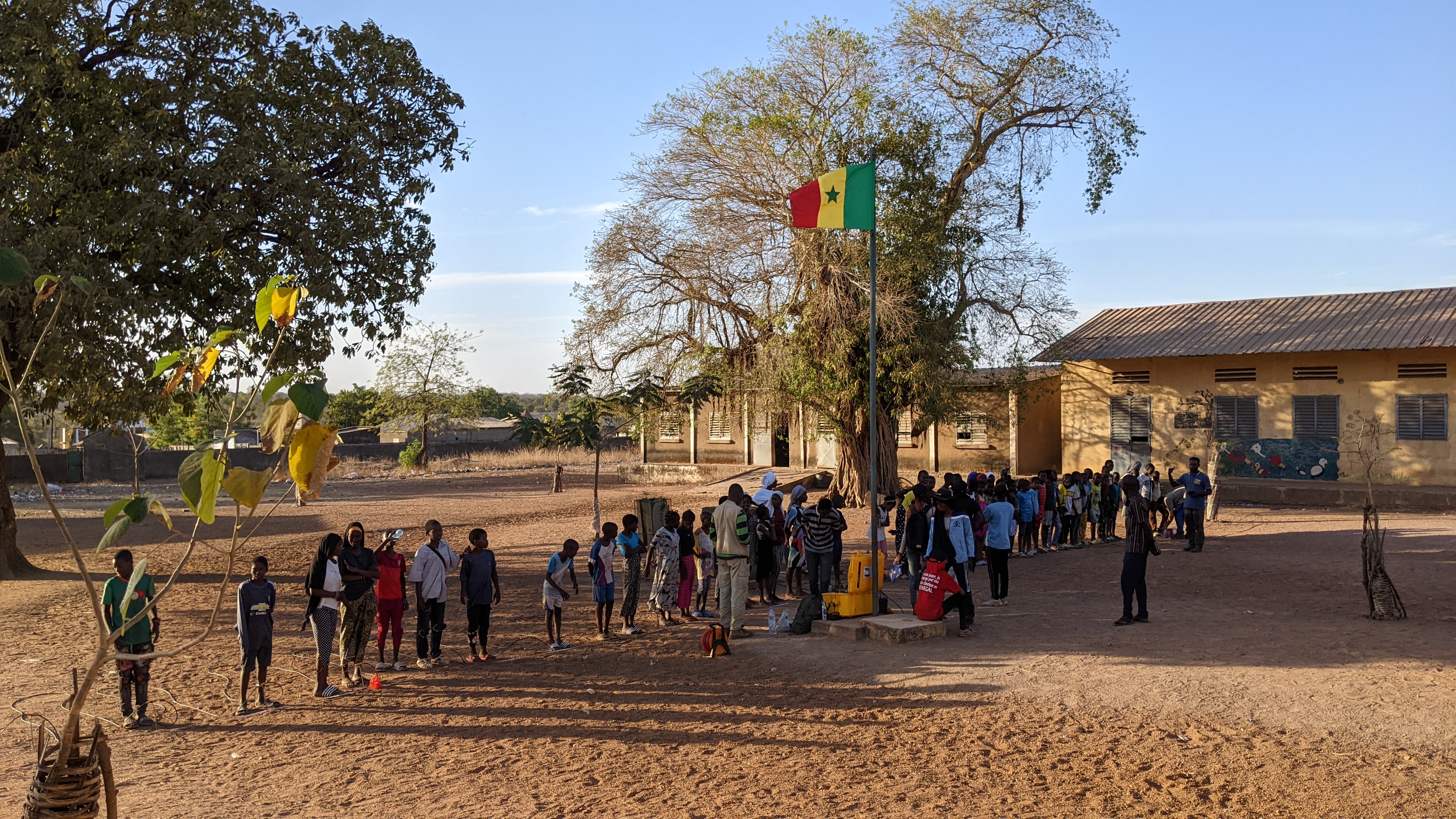
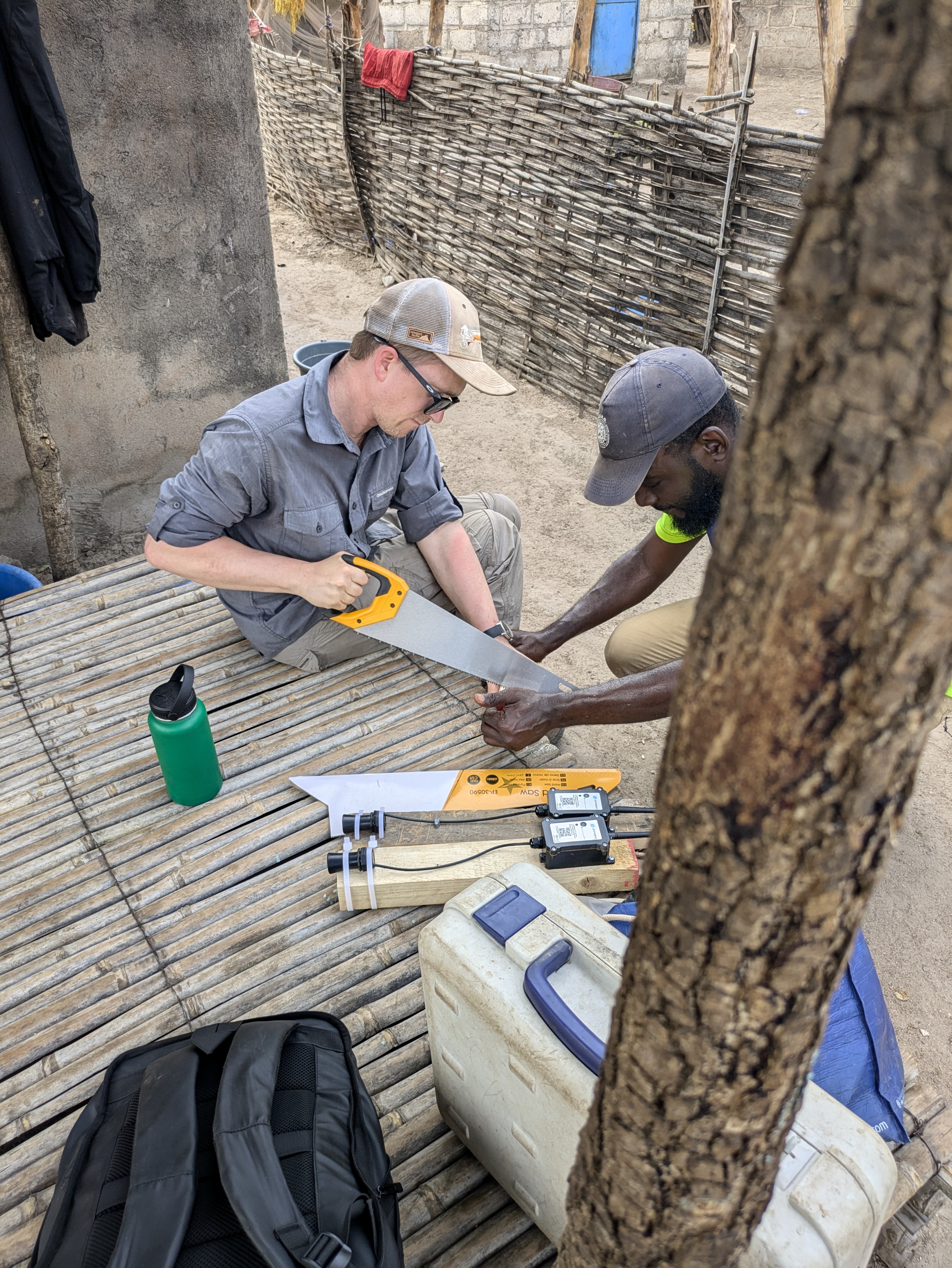
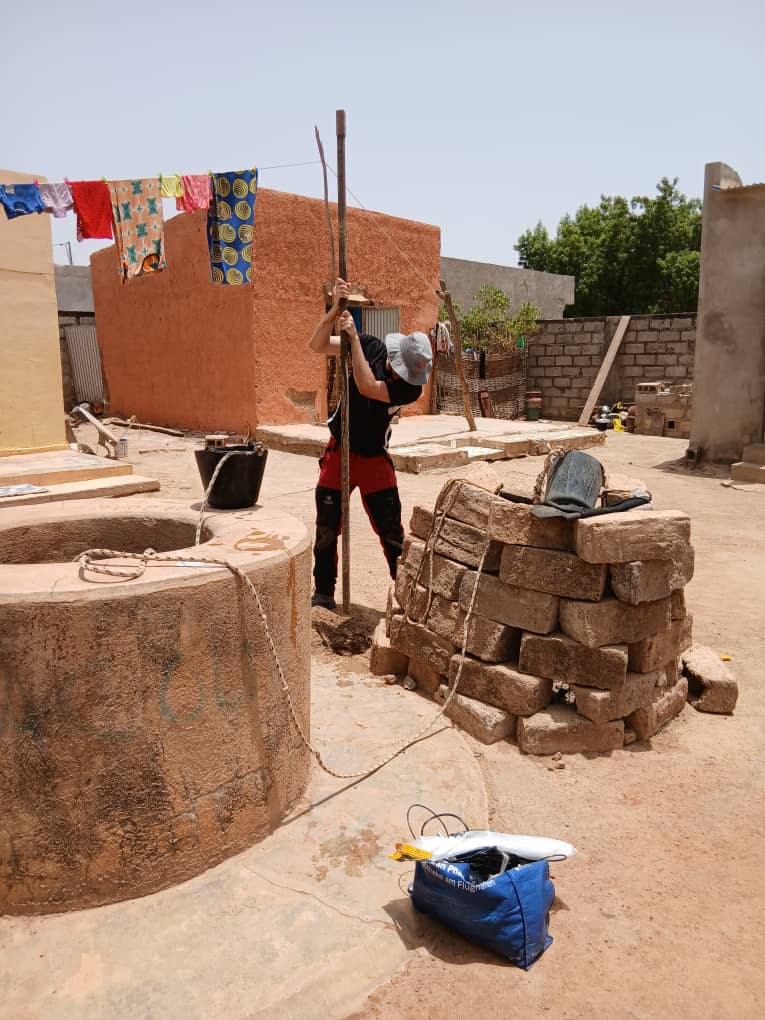
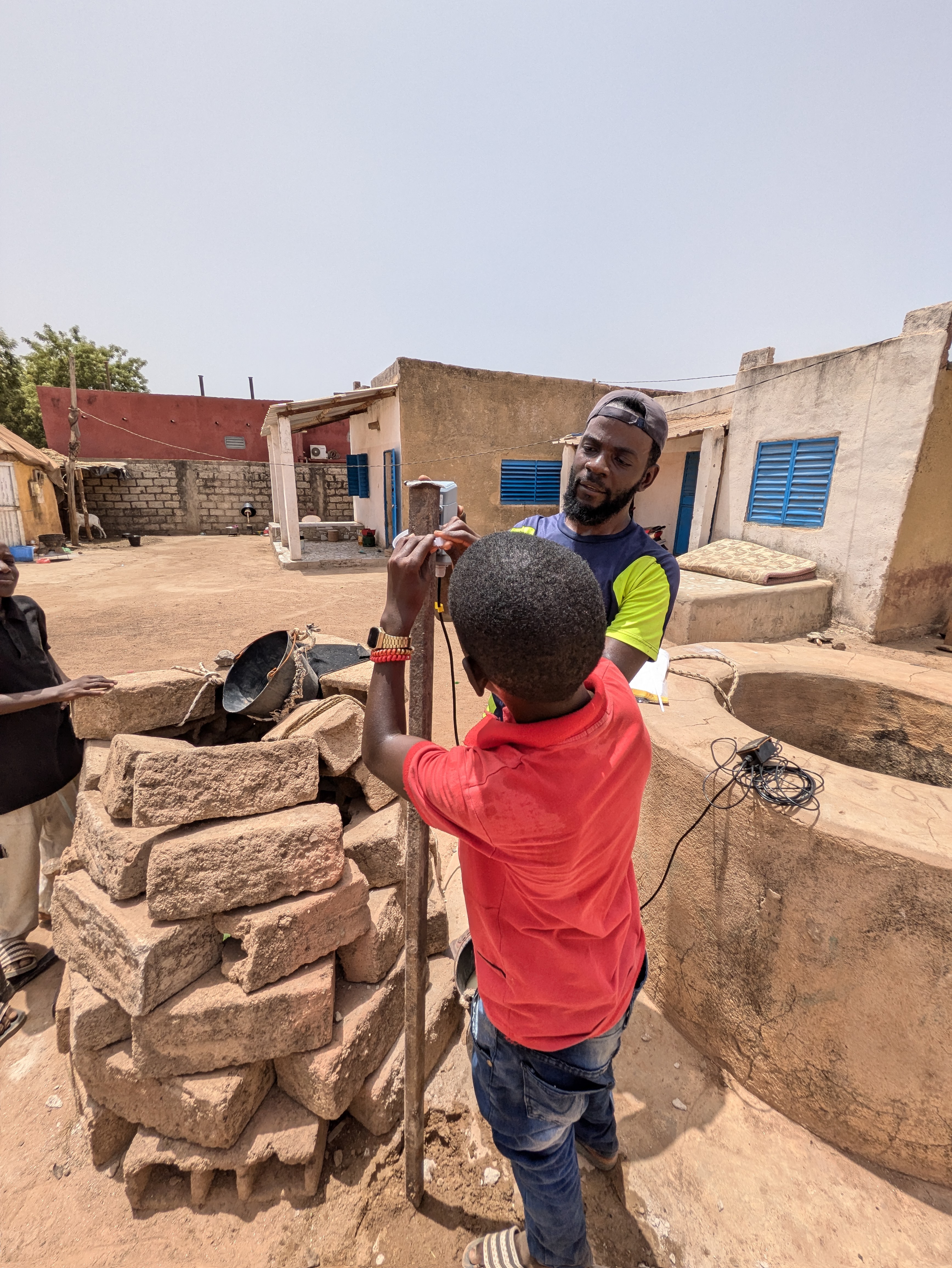
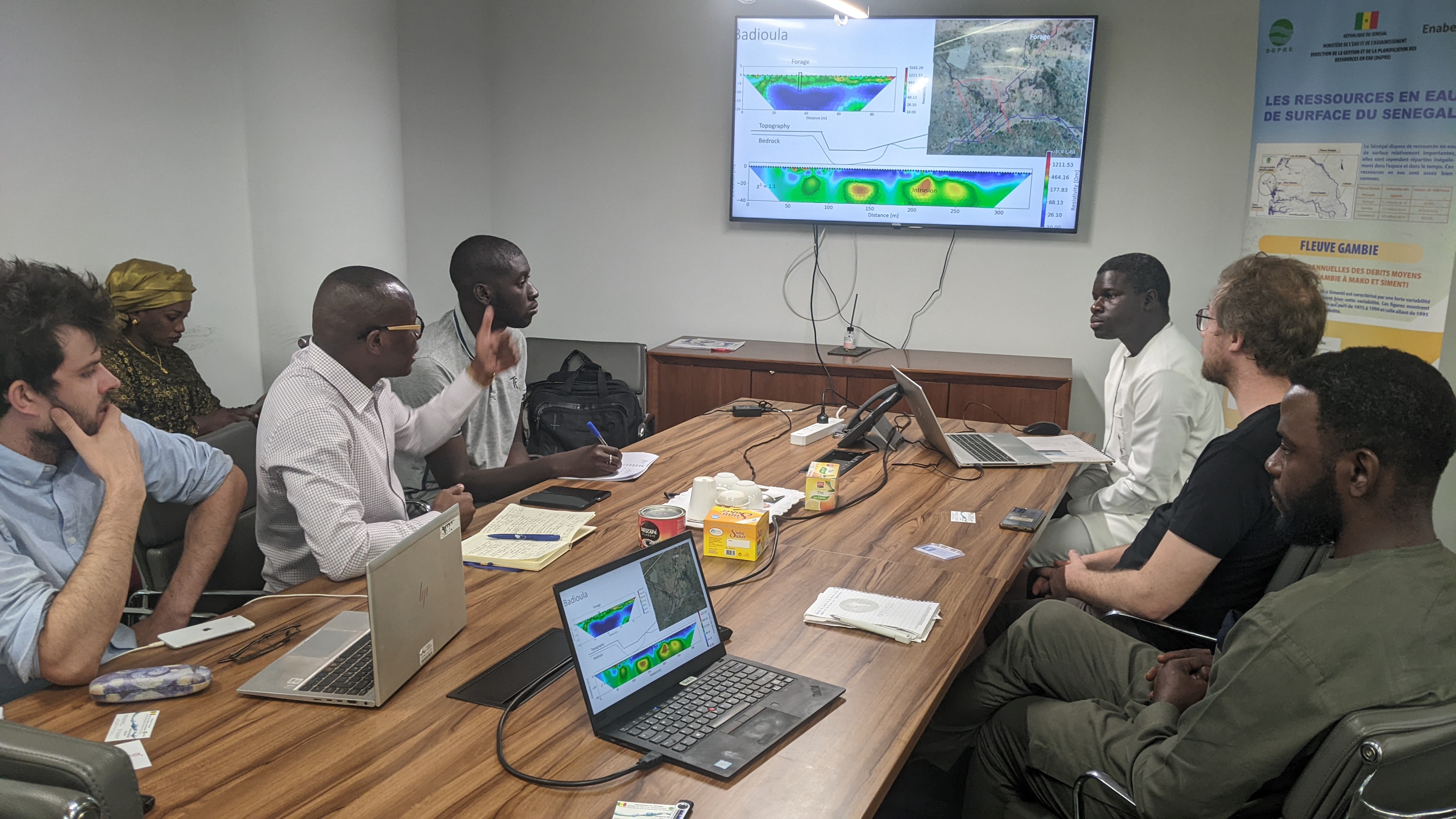
The Saraya fieldwork was carried out during the late dry season. Access required coordination with local authorities, community representatives, to ensure safe operations. Field teams installed long-term groundwater monitoring equipment and collected complementary datasets including manual water levels, and field EC/pH readings. These observations were supported by targeted TEM and ERT data designed to delineate weathered zones and assess viable groundwater resources.
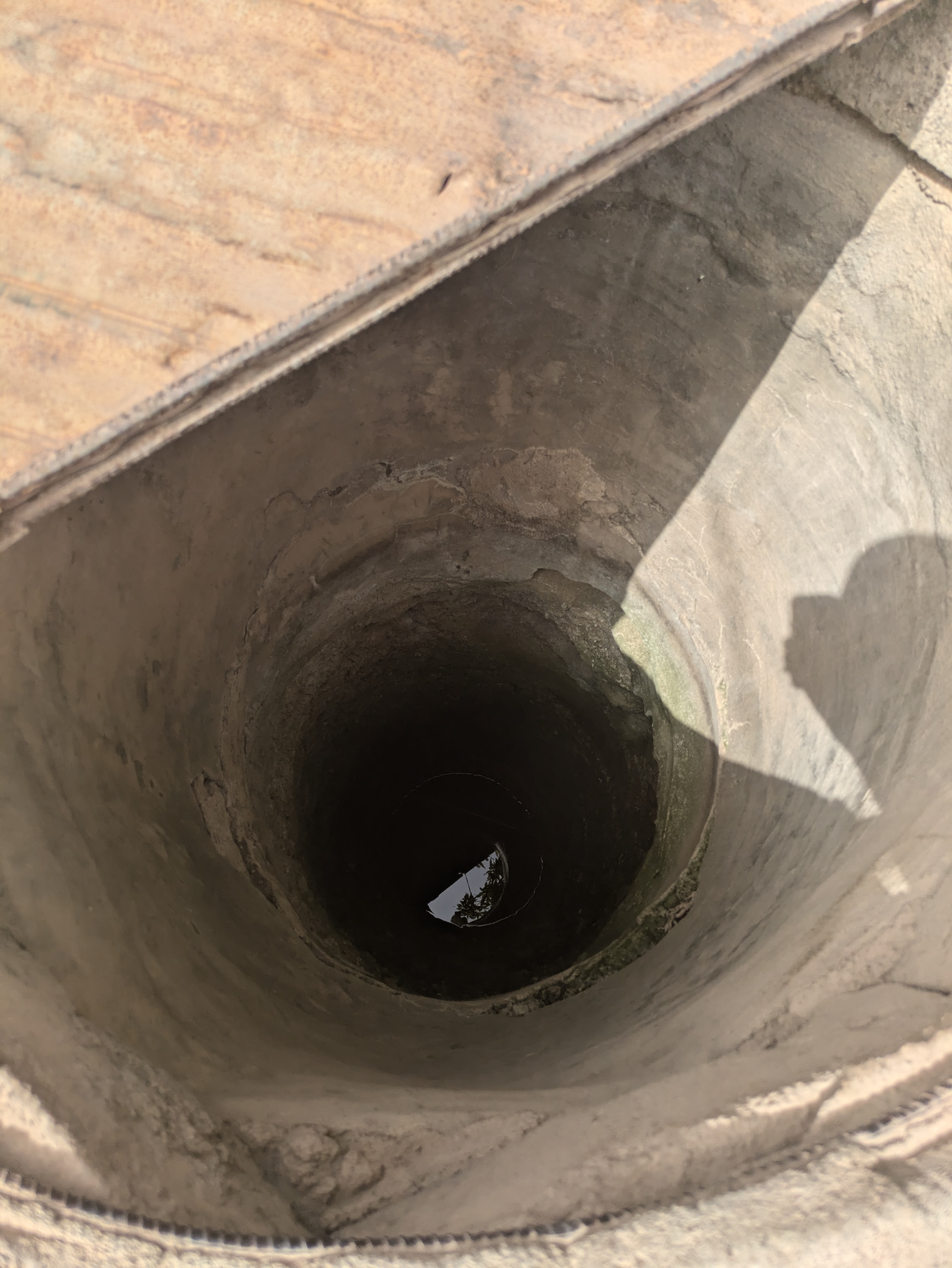
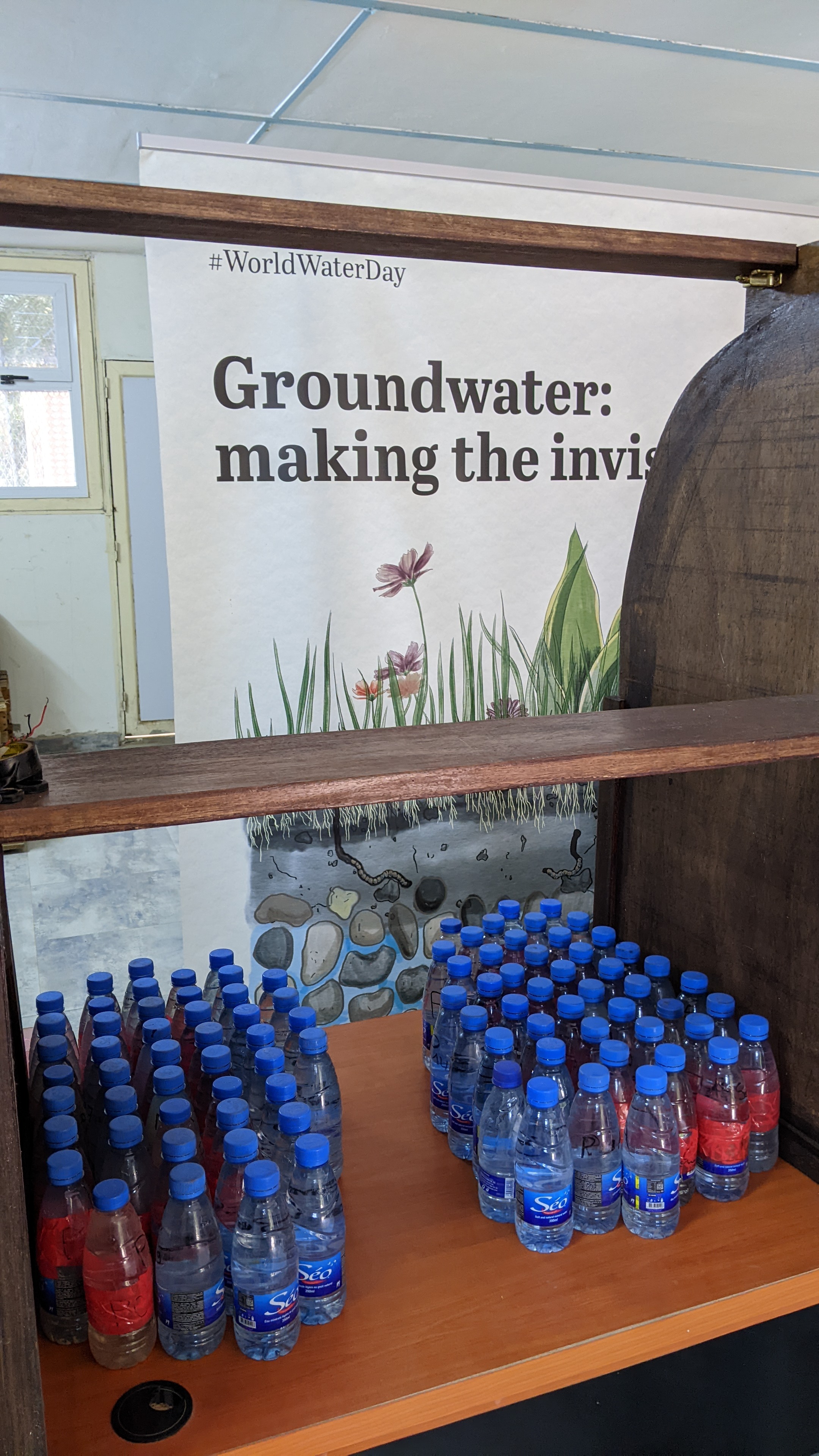
Groundwater monitoring stations were established in community wells to track seasonal variations in water levels and conductivity. Laboratory analyses of selected samples assessed key parameters including major ions and trace metals. The data were compiled into an integrated geodatabase to support both local water authorities and ongoing environmental compliance programs.
Outcomes and relevance
The Saraya campaign provided a clearer picture of how mining activities intersect with local hydrogeological systems in eastern Senegal. By combining resistivity mapping with continuous water-level and quality monitoring, the work helped identify vulnerable zones and potential pathways for contaminant migration. The findings contribute to a growing regional dataset supporting responsible mining practices and groundwater protection. Beyond technical outcomes, the monitoring program established a foundation for long-term collaboration between research institutions and governmental authorities.